

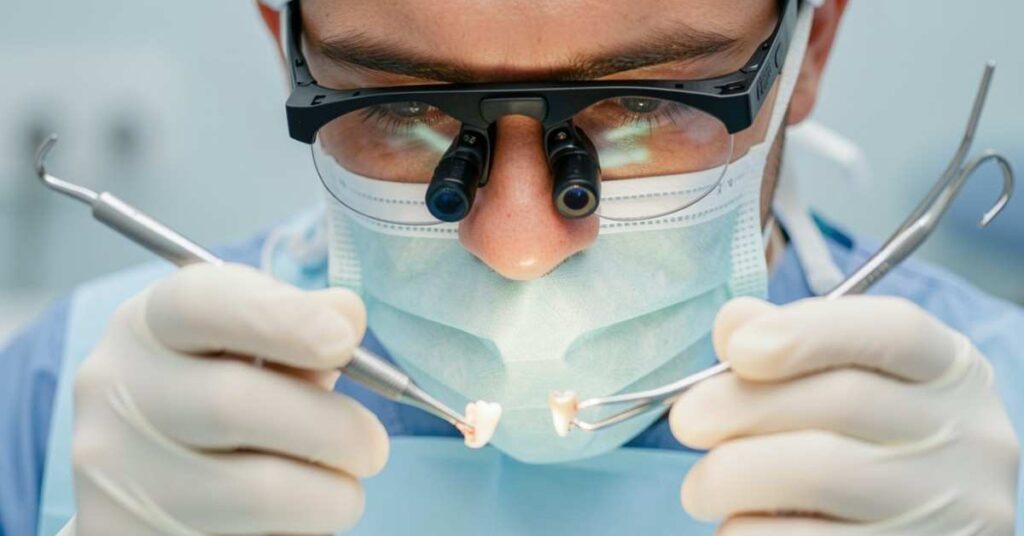
Extraction of wisdom teeth is common practice, but the first days post-procedure will determine the comfort level of the recovery process. The most feared complication of a tooth extraction procedure is the occurrence of dry socket. Fortunately, dry socket can easily be prevented with proper post-procedure care. Regular dental checkups Buford dentists both prior to and after surgery significantly reduce this risk.
What Is Dry Socket?
Many patients get to know about the dry socket problem only when they are informed about it by their dentist. When knowing what really happens during the process, one realizes that dry socket is not as terrible as it seems.
The alveolar osteitis, commonly known as a dry socket, is a condition whereby the protective clot that was formed following the operation becomes detached from the wound site. In the absence of the protective clot, the bone tissues as well as the nerves are left exposed to the air, food particles, and bacteria.
How Common Is It
These figures might seem surprising when put in the context of how trivial extraction recoveries usually end up being. According to a 2024 study published in PMC, the incidence rate of dry sockets reached nearly 41.2 percent in the first two weeks of complex wisdom teeth extractions. The study also reported a much higher likelihood in smokers, with an odds ratio exceeding six compared to non-smokers.
Simple Practices That Helps Avoid Dry Socket
No fancy practices are required; all one needs is a bit of self-control during the first week after oral surgery. This is usually the only major difference between a smooth recovery at dental checkups Buford and a painful experience at a novice clinic.
Avoiding Straws and Suction for at Least a Week
The suction action caused by sipping from straws pulls the blood clot out of the socket before it gets a chance to form properly. Drinking directly from a cup eliminates this danger and is completely hassle-free.
Quit Smoking and Vaping While Healing
Both nicotine and the process of inhaling are bound to impede recovery, with nicotine causing narrowing of blood vessels and smoking slowing down the process of healing. Those who continue their smoking habit should take a break for 72 or more hours before smoking again.
Choose Softer and Cooler Meals in the Initial Phase
Mashed potatoes, yogurt, and smoothies consumed by using a spoon should not be an issue. It is best to avoid hard, crunchy, and spicy foods until the socket closes completely.
Do Not Rinse Excessively
Aggressive rinsing or spitting might cause the removal of an unstable clot, even several days after a procedure. A delicate salt solution used from the very next day helps keep the socket clean and avoid any further issues that have occurred during healing.
Visit a Dentist Promptly in Case Something Is Not Right
If pain becomes worse after the third day, instead of gradually improving, there is a high chance you developed a dry socket. Getting an appointment for dental checkups Buford clinics will help solve the issue instantly.
Why Post-Operative Follow-Up Is Important
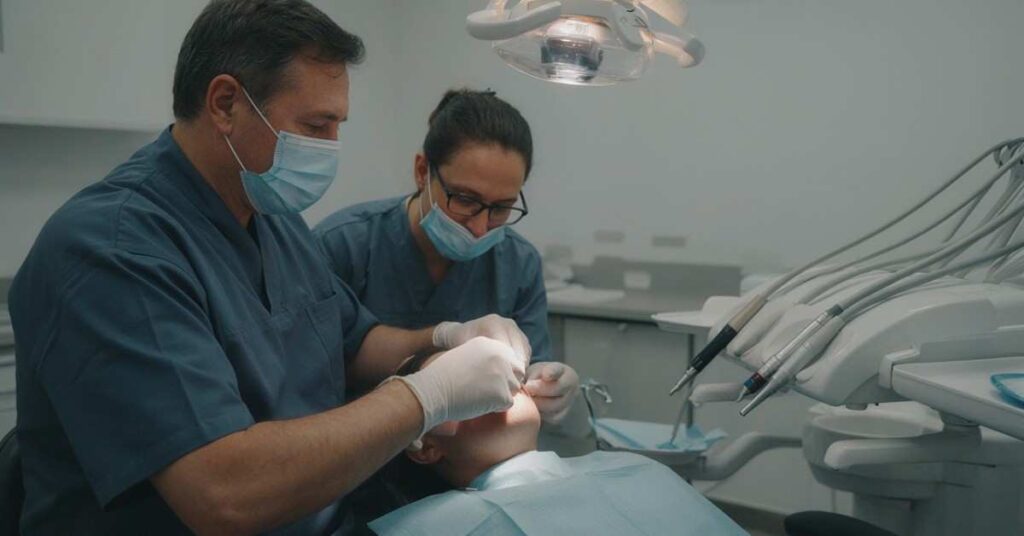
While it may seem as if the difficult period is over once the extraction is done, the process of recovery has really just begun. And this is when regular contact with your dentist becomes important.
Regular dental checkups Buford not only help you maintain good hygiene but also help them detect any issues such as dry socket at the very beginning. With the dentist aware of your extraction history, he or she will be able to identify any signs before the condition causes you too much pain.
Conclusion
Prevention of dry socket lies in maintaining several simple practices during those first seven days. Regular dental checkups Buford can help detect any possible problem at an early stage. So, schedule your appointment at Buford Family Dental and take care of your teeth before it is too late.
FAQs
1. When does dry socket occur after wisdom teeth extraction?
Dry socket generally appears two to four days after the extraction procedure, when the pain and swelling start wearing off. Any increase in pain during this time is a clear indication of the condition.
2.Could dry socket occur even when all instructions were followed?
Yes, it could occur since the patient’s teeth and jaw may have played a part in its development too. This explains why regular dental checkups Buford can never be ignored, even by the careful ones.
3. Is dry socket fatal if left unattended?
No, but it becomes unbearable and will not heal without appropriate care. A dentist will pack the site with medicine, and this will help the pain go away in a couple of days.
4. Does age make an individual susceptible to this condition?
The answer is not clear, as research on age as a direct risk factor for this problem is inconclusive. Although people aged over 25 tend to have dense jaws, making it difficult to pull teeth.
5. At what point should the patient call the dentist rather than waiting it out?
When the pain becomes worse after the third day, along with having a bad taste or exposed bone, then a dentist should be consulted immediately. The quick and less painful way of treating this problem is through scheduling dental checkups Buford.
Author
Dr. John Jeoung
Bio
Dr. John Jeoung is an oral health practitioner who received his education in Georgia. He completed a bachelor’s program in chemistry at the University of Georgia, followed by a master’s in biomedical sciences from Iowa State. Dr. Jeoung then went to dental school at Temple University and currently works at Buford Family Dental.
4536 Nelson Brogdon Blvd.,
Building A Buford, GA 30518
Phone: 678-730-2005
Email: staff@bufordfamilydental.com


