

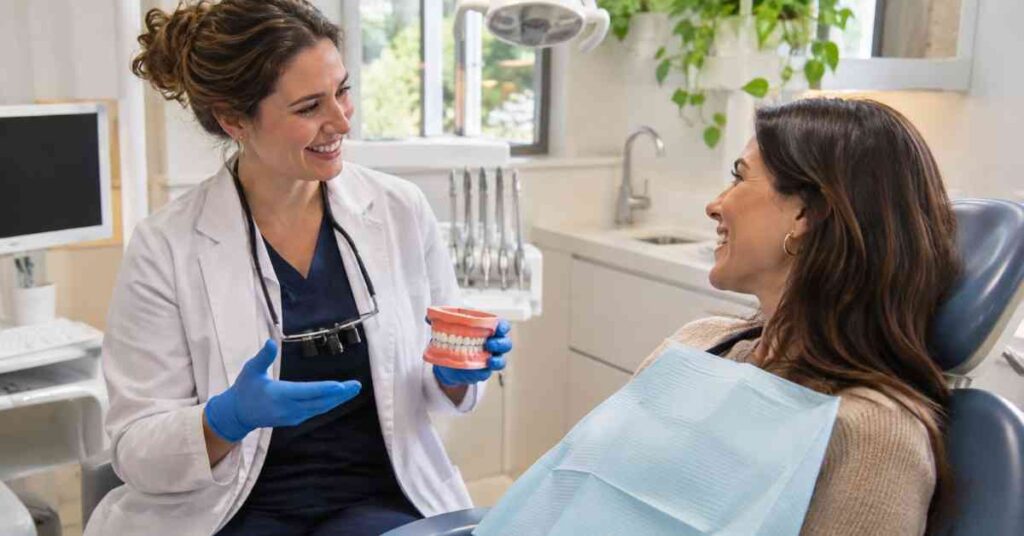
There are two main reasons for the pattern toward fluoride-free toothpaste: fear of swallowing fluoride (especially acute for parents of small children) and the desire for “natural” products. I completely comprehend both. But neither makes it clear what to make a decision Here’s the quick answer to the bigger question. Fluoride-free toothpaste will clean your teeth, but fluoride is still the best-proven thing for avoiding cavities. Here’s a plain English look at why people switch, what the proof shows and who should see a dentist first.
Why Do People Choose Fluoride-Free Toothpaste?
A few reasons come up again and again:
- Fluorosis worries. Too much fluoride while a child’s teeth are forming can cause faint white spots. It is a cosmetic change with no other symptoms, but parents understandably want to avoid it.
- A “natural” preference. Some folks want a smaller number of or plant-based food recipes.
- Marketing. Packaging often indicates fluoride-free is better or safer. That’s a claim, not evidence.
Major reviews of the research link health risks to excessive fluoride, not the small amounts in toothpaste used as directed.
How Does Fluoride Protect Your Teeth?
Every time you eat , microbes in your mouth generate acid which removes minerals from enamel . Fluoride helps to put those minerals back. It toughens the surface so it is harder to dissolve and slows down the germs that cause decay. It can even reverse very early damage before a hole is formed. That’s the protection of tooth enamel in action, which is why the American Dental Association, or ADA, indicates brushing twice a day using an ADA accepted fluoride toothpaste.
Fluoride vs. Fluoride-Free Toothpaste: What Is Different?
Fluoride toothpaste is backed by decades of research. It can get the ADA Seal for cavity protection. Its main duty is to prevent cavities.
Fluoride-free toothpaste is different in ingredients and has less research behind it. It is not eligible for ADA’s Seal of Acceptance designation for chamber protection. The main draw is fluoride-free . Common elements include hydroxyapatite, a xylitol, and mild abrasives.
Both types remove plaque and stains on the surface The true difference is what happens after. Fluoride has decades of evidence that it strengthens enamel. Nothing else has that.

Does Fluoride-Free Toothpaste Prevent Cavities?
Depends on what’s in it. I mostly brush with a simple fluoride-free paste. Brushing is still important for plaque and gums, but brushing alone, without fluoride, does nothing to reduce cavities, owing to one evaluation of the evidence in 2018, but there are not enough high-quality trials.
Hydroxyapatite has been the most researched alternative. It is a mineral type that occurs in enamel. A 2024 systematic study found that it may assist to decrease cavities without fluoride. However, a review in 2025 stated that it has not yet been widely employed in medical practice and that the data is unreliable. The ADA also does not award its cavity protection Seal to any fluoride-free toothpaste.
So some options look promising, but fluoride still has the strongest proof.
Who Should Talk to a Dentist Before Switching?
Check in first if you or your child:
- Get cavities often or had one recently
- Have dry mouth, including from medications
- Snack or sip sugary or acidic drinks through the day
- Are under 6 (pediatric guidance calls for just a smear of fluoride toothpaste up to age 3, and a pea-sized amount from 3 to 6)
- Want to avoid fluoride for medical or personal reasons
Your dentist can look at your actual cavity risk and talk through options, including professional fluoride treatments, instead of leaving you to guess.
How to Choose a Toothpaste That Fits
“Don’t look at the label. Look at your cavity risk.” For the most proven protection against cavities, look for a fluoride toothpaste bearing the ADA Seal. Look for a toothpaste without fluoride that lists the active ingredients. Answer any claims of cavity fighting. And follow good dental hygiene: Brush twice a day, floss every day and limit the sweets.
To get whiter teeth and a more vibrant smile, remember who toothpaste usually removes stains on the surface. Dental whitening in Buford is an alternative method aimed to modify tooth colour.
When You Need a Dentist, Not a Different Toothpaste
No toothpaste can cure damaged teeth, chronic pain, or oedema. If anything doesn’t feel precise don’t wait. Buford Family Dental Same Day Dentistry Buford households can rely on for vital issues. If you call before noon, the staff will try to fit you in the same day.
Cost concerns can sometimes postpone care. Getting dental care without insurance in Buford may be easier than many people think. The office provides Sunbit, CareCredit, and Cherry payment plans for qualifying patients with or without dental insurance.
Conclusion
There are good reasons for the popularity of fluoride-free toothpaste, but popularity is not proof. Fluoride still provides the most evidence for cavity avoidance, however other options such as hydroxyapatite look promising and need to be examined further. The proper choice relies on your teeth, your diet and your age, or your child’s. If you are not sure, ask your Buford, GA dentist before you switch. Buford Family Dental provides family dental care. Call 678-730-2005 or schedule online.
Frequently Asked Questions
1. Is fluoride-free toothpaste better for your teeth?
Not on the evidence that we have today. Fluoride-free toothpaste can clean teeth and might be a good choice for someone who wants to avoid fluoride, but it hasn’t been shown to protect against tooth decay better than fluoride. For most people, toothpaste containing fluoride is still the more proven choice.
2. Can fluoride-free toothpaste prevent cavities?
Some compounds, like hydroxyapatite, have some promise in research. Basic fluoride-free pastes are primarily clean. None of these have the ADA Seal of cavity protection, thus the proof is less certain. Good brushing, flossing, less sweets and regular checks matter either way.
3. Why do some dentists recommend fluoride toothpaste?
Fluoride has many years of research behind it, proving that it helps to strengthen enamel, repair early damage and slow down decay-causing germs. Everyday cavity prevention includes cleaning between teeth and brushing twice a day with an ADA-accepted fluoride toothpaste, according to the ADA
4.Is fluoride-free toothpaste safe for everyday use?
Yes, generally. The main problem is not toxicity but lack of cavity protection against fluoride. Read the ingredient list, beware of untested claims and check with your dentist if you have allergies, highly sensitive teeth or a youngster who is still learning to spit out.
5. Should I ask my dentist before switching to fluoride-free toothpaste?
Yes, especially if you are prone to cavities, have a dry mouth or are picking for a child. Your dentist can evaluate your cavity risk, explain the trade-offs and recommend a strategy that meets your goals and budget.
About the Author
Dr. Brian Choi is a graduate of the University of Illinois at Urbana-Champaign with a bachelor’s degree in Psychology and the University of Illinois at Chicago College of Dentistry with a DDS. He enjoys helping patients in need of dental care and is committed to ongoing education so that he may keep on top of the latest methods. Dr. Choi is with Buford Family Dental in Buford, GA.
4536 Nelson Brogdon Blvd.,
Building A Buford, GA 30518
Phone: 678-730-2005
Email: staff@bufordfamilydental.com


