

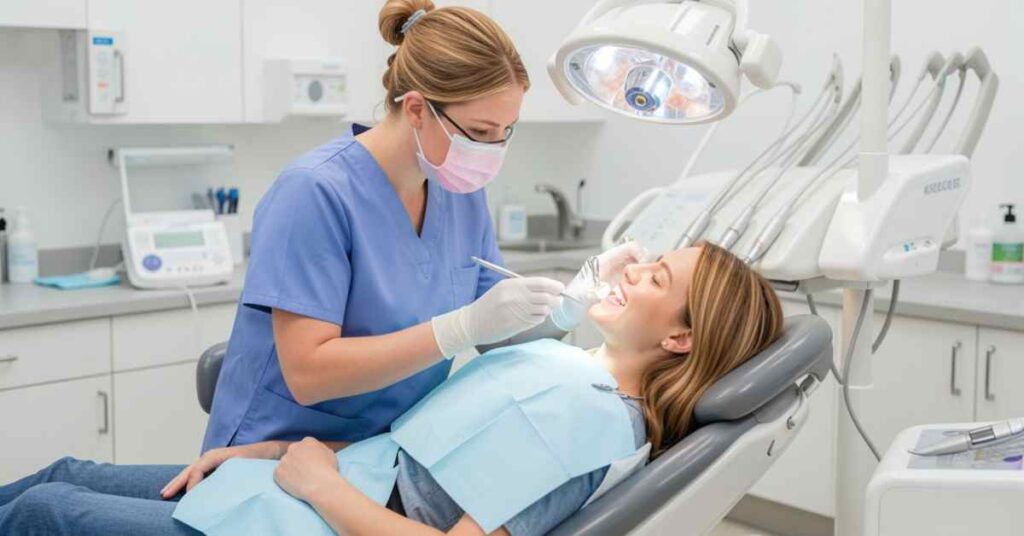
A broad smile may help you feel better about yourself. It’s one of the initial things people notice and it’s that in almost every image you take. That’s why teeth whitening is one of the most popular treatments when visiting any cosmetic dentist in Buford. But before you arrange an appointment or buy a bleaching kit off the store shelves, there are a couple of things you truly should know first.
From the outside, whitening seems simple. The only thing that it really depends on is the kind of the tooth you possess, your oral condition, and why the stains formed there in the initial place. If you lack attention to these factors, you can wind up with sensitive teeth, various results, or a smile that isn’t as white as you expected. This is what you need to keep in mind before you choose a teeth whitening in Buford.
First, Find Out Why Your Teeth Are Stained
Not all stains are equal, and that matters far more than most individuals know.
Extrinsic stains are on the surface of the enamel. These originate from coffee, tea, red wines, tobacco and everyday food and drink. The process of bleaching is used well on this type of stain.
Intrinsic stains have been deep within the tooth. The root causes can be drugs, a childhood disease, fluorosis, an older trauma, or just genetics. Some of these stains fail to come with regular whitening and your dentist might suggest a different approach such as bonding or veneers to give you the look you want.
A simple dental exam lets your dentist figure out which type you’re dealing with, so you don’t waste time or money on a treatment that won’t work for your smile.
A Dental Check-Up Should Always Come First
This is the one that people overlook the most, and it’s the one that is important the most.
Dental whitening gel is good for gums and teeth that are healthy, but it may irritate areas that are already difficult. Whitening can actually make the issues of having a cavity, gum disease, exposed roots or worn enamel worse. A dentist will check for all of these signs before starting treatment, and if something has to be treated first, they’ll do that so your whitening results actually last.
This is one of the major reasons to see an actual dentist, rather than using a store-bought kit. A mirror fails to see problems a Buford cosmetic dentist can.
In-Office Whitening or Take-Home Trays: Which One Fits You?
Most Buford dentists will give two basic option choices.
In-office whitening is a single-visit treatment. A dentist uses a professional-strength gel, and sometimes uses a special light to expedite the process. If you have an event coming up or just don’t want to wait, you walk away with much whiter teeth the same day, which is excellent.
The take home trays are specially designed to fit your teeth and can be used with a professional whitening gel at home for 1 to 2 weeks. It’s a gentler, more progressive method, and some patients like it more, especially if one has a bit of tooth sensitivity.
Neither is “better” across the board. It really is contingent upon your schedule, how at ease you are, and what your dentist recommends after evaluating your teeth.
Sensitivity Is Common, But It’s Manageable
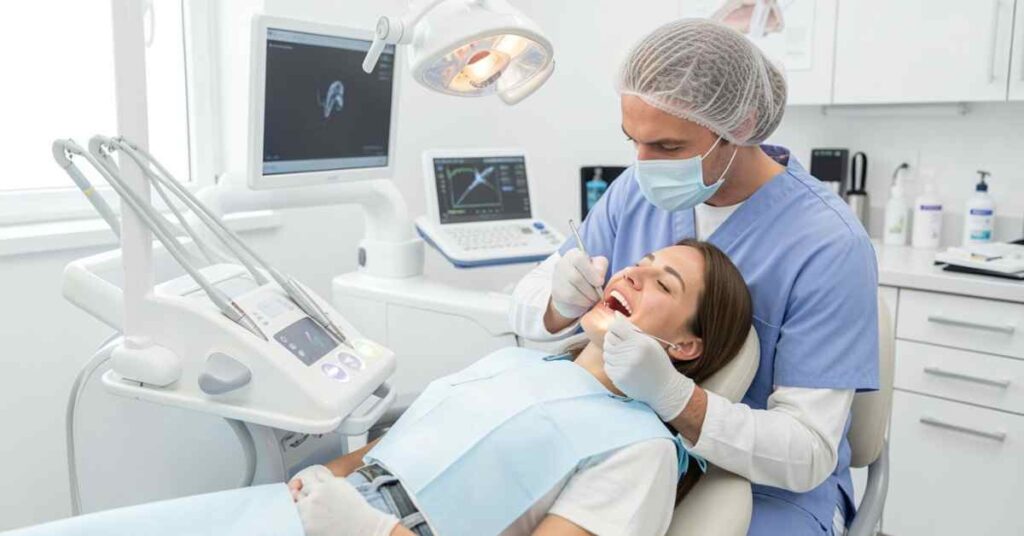
Sensitivity is in fact essential for a lot of people. It should be.” The whitener gel can whiten your teeth tender and a little sore for a few days, especially with hot or cold foods.
The good news is that this is usually brief and there is a lot that a dentist can do to lessen it:
- Lower concentration of whitening gel
- Suggest a desensitizing toothpaste before and after treatment.
- Changing how long you keep the gel on your teeth
- Divide out the sessions instead of doing it all in one go.
If you have sensitive teeth, tell these individuals before you begin. It doesn’t rule you out automatically, but it does mean your treatment needs to be structured differently.
Crowns, Veneers, and Fillings Don’t Whiten
This surprises plenty of patients. Whitener gel works only on true tooth enamel. If you have crowns, veneers, bonding or fillings, those materials will remain the exact same tint no matter how much you whiten around them.
If you have apparent dental work in your smile, speak to your dentist regarding shade matching in advance. Sometimes the whitening procedure has to be modified so that your whole smile looks even when treatment is over.
Whitening Isn’t Recommended for Everyone
In certain situations, your dentist might suggest waiting or selecting a different treatment:
- Active gum illness or untreated cavities
- Very worn or thin enamel;
- Pregnancy and breastfeeding as a general caution
- Deep intrinsic coloration that a whitening solution alone can’t address
They are not permanent impediments. Many can be handled first, and then later whitening is a wise decision again. Short consultation is the only way to find out where you truly stand.
How Long Does Whitening Actually Last?
The results often last from a year to three, based on your way of life. Coffee, tea, red wine and smoking will re-stain faster. Good brushing, periodic cleanings and washing your mouth shortly after meals will help your results last longer. A lot of people also have a brief touch up treatment every now and then to keep their smiles and look fresh.
Why Family Dental Practices Make This Easier
Going to a family dental clinic has the practical advantage of having all of your dental history in one place for whitening. Your dentist knows your oral health, so there’s no doubt about whether whitening is healthy for you right now.
It matters too if you’re managing dental care for the whole household. A Buford practice that handles everything from routine cleanings to dentistry for children means you do not have to run various offices for every family member’s needs, while maintaining genuine cosmetic expertise for your own smile.
FAQ
1. How white will my teeth actually get?
It depends on your natural tooth color and the type of staining you have. Most patients see their teeth get several shades brighter, but whitening enhances your natural shade rather than turning teeth an artificial, bright white.
2. Is professional whitening safe?
Yes, when it’s done under a dentist’s supervision. A dental check-up beforehand rules out issues like cavities or gum disease that could make the process uncomfortable, and your dentist controls the strength and timing of the treatment.
3. Will whitening damage my enamel?
No, not when it’s used correctly. Overusing whitening products, or using strong at-home kits without guidance, is what leads to enamel irritation. A dentist-supervised plan is built to avoid that.
4.How long do I need to wait between whitening sessions?
Most dentists recommend spacing touch-ups out rather than whitening back to back. Your dentist can give you a schedule based on how your teeth respond the first time.
5.Does teeth whitening hurt?
Most people feel little to no pain during treatment. Some mild, temporary sensitivity afterward is common, especially with hot or cold foods, but it usually fades within a day or two.
About the Author
Dr. Hira Khan is a dentist with Buford Family Dental. She got her DDS to New York State University and has a global background in dentistry that she brings into her care for patients in Buford. Dr. Khan is devoted to helping clients make informed, comfortable judgments about their oral health, if it’s regular family care or cosmetic treatments like whitening teeth.
4536 Nelson Brogdon Blvd.,
Building A Buford, GA 30518
Phone: 678-730-2005
Email: staff@bufordfamilydental.com


