
After tooth loss, the bone that once surrounded natural roots begins a steady decline. The alveolar ridge — the curved ledge of bone forming the foundation of your dental arch — loses both height and width over time, sometimes shrinking to a thin, knife-like edge incapable of supporting dental implants. Ridge augmentation rebuilds this essential structure, restoring the dimensions needed for stable implant placement and natural-looking restorations. For patients throughout Buford, Sugar Hill, and Gwinnett County, this reconstructive procedure transforms inadequate bone into a solid foundation for lasting tooth replacement.
Reconstructive Expertise at Buford Family Dental
Dr. Jay Patel specializes in ridge reconstruction, applying skills refined during his four-year oral and maxillofacial surgery residency at Womack Army Medical Center. His military medical training emphasized complex cases — patients with severely resorbed ridges, failed previous grafts, and trauma-related bone loss that demanded creative surgical solutions. Board certified through the American Board of Oral and Maxillofacial Surgeons and a member of the American Academy of Implant Dentistry, Dr. Patel approaches each case with an understanding that successful implants require more than adequate bone volume. “The ridge needs proper width and contour to support an implant in the right position,” says Dr. Patel. “When I rebuild a ridge, I’m thinking about how the final tooth will look, feel, and function — not just whether an implant will fit.”
Why Ridge Width Matters
Dental implants require bone on all sides to achieve integration and long-term stability. When the ridge has narrowed significantly — as commonly happens after years of tooth loss or denture wear — there simply isn’t enough bone to surround the implant properly. Placing an implant in an inadequate ridge can lead to thread exposure, implant failure, and poor aesthetic outcomes where the restoration emerges from the gum at an unnatural angle. Ridge augmentation addresses horizontal deficiencies by building outward, widening the ridge to accommodate implants positioned optimally for both function and appearance.

The Ridge Augmentation Procedure
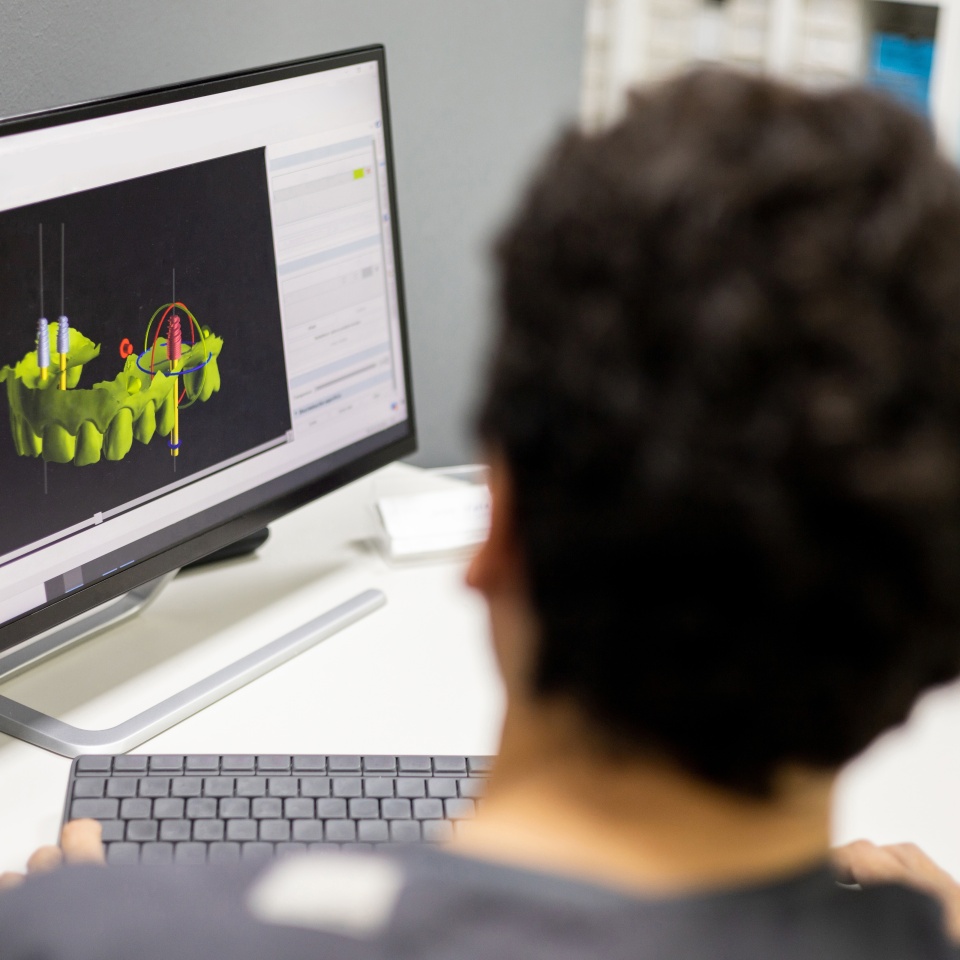
Treatment begins with 3D imaging that reveals the current ridge dimensions and helps Dr. Patel plan the precise graft placement. On the day of surgery, local anesthesia ensures comfort, with IV sedation available for patients preferring a more relaxed experience. Dr. Patel creates a small incision to expose the deficient ridge, then carefully places bone graft material along the outer surface — essentially building the ridge outward to achieve proper width. A resorbable membrane typically covers the graft, protecting it during healing and preventing soft tissue from interfering with bone regeneration. Sutures close the site, and you receive detailed aftercare instructions to support successful healing.
Graft Material Options
Several bone graft materials prove effective for ridge augmentation, each with distinct advantages.
Autogenous Bone: Harvested from another site in your own body, this living tissue provides the best biological compatibility and contains cells that actively promote regeneration.
Allograft: Processed human donor bone from accredited tissue banks offers excellent results without requiring a secondary surgical site. Rigorous screening ensures safety.
Xenograft: Bovine-derived bone mineral provides reliable scaffolding that supports new bone formation over time.
Alloplast: Synthetic materials manufactured from biocompatible compounds offer consistency and unlimited availability.
Dr. Patel recommends the most appropriate material based on the extent of augmentation needed and your individual treatment goals.
Healing and Next Steps
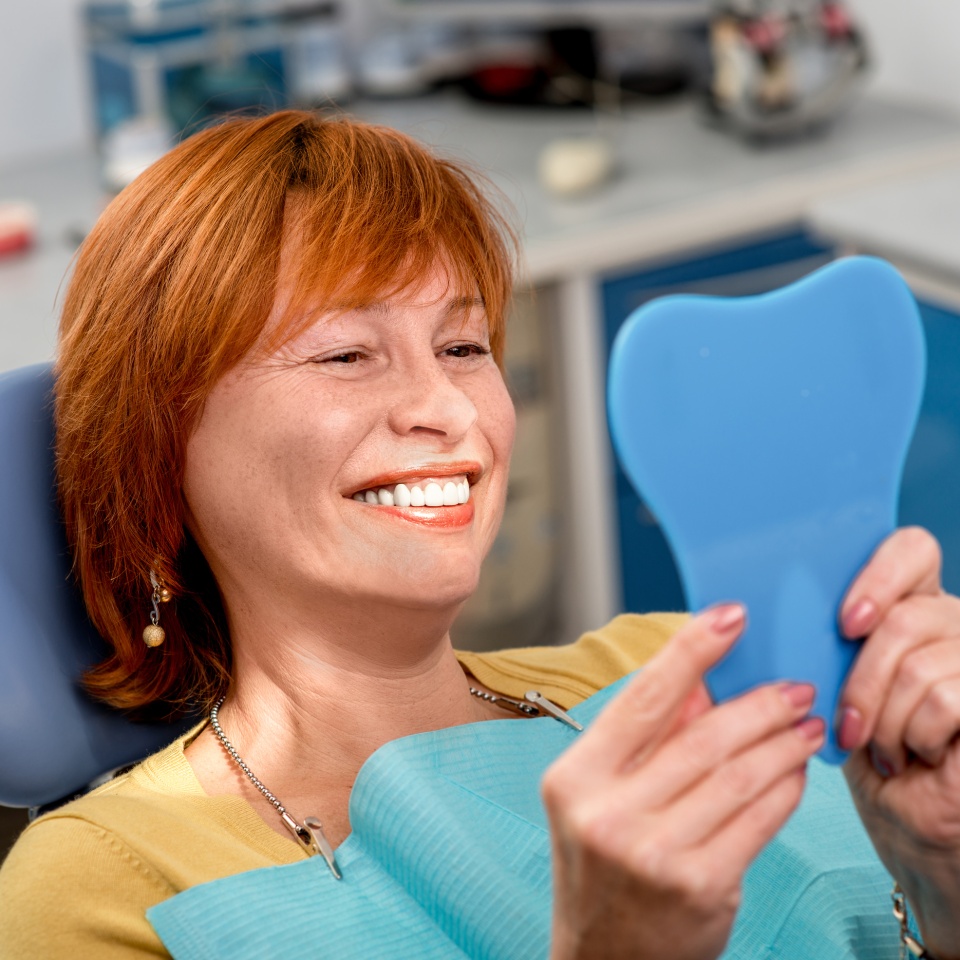
Initial recovery typically takes one to two weeks, with mild swelling and discomfort resolving gradually. The bone graft itself requires four to six months to fully integrate with your native bone and develop the strength necessary for implant placement. During this period, Dr. Patel monitors progress through periodic examinations and imaging. Once healing confirms adequate ridge width and density, implant surgery can proceed with confidence. Some straightforward cases allow simultaneous grafting and implant placement, compressing the overall treatment timeline.
Ridge Augmentation for Anterior Teeth
When front teeth are missing, ridge augmentation serves an additional crucial purpose — restoring the natural fullness of the gum line. A collapsed or concave ridge creates a visible defect that even the most beautiful crown cannot disguise. Patients often notice a sunken appearance where teeth once sat, and the gum tissue follows the diminished bone contour. By rebuilding the ridge to its original dimensions, augmentation allows the eventual implant restoration to emerge naturally from healthy, properly contoured tissue. The result is a tooth replacement that blends seamlessly with your smile.
Frequently Asked Questions About Ridge Augmentation
Ridge augmentation is a specific type of bone grafting focused on rebuilding the width and contour of the alveolar ridge. While all ridge augmentation involves grafting, not every bone graft targets ridge deficiencies — some address height, fill extraction sockets, or augment the sinus area.
Anesthesia and sedation ensure you feel nothing during surgery. Post-operative discomfort is typically manageable with prescribed medication and improves significantly within the first week.
The graft needs four to six months to fully integrate before implant placement. Dr. Patel monitors healing and determines the optimal timing based on your individual progress.
Smoking, uncontrolled diabetes, infection, and premature stress on the surgical site can compromise graft success. Following aftercare instructions carefully and maintaining good overall health maximize your chances of success.
Many dental insurance plans cover ridge augmentation when performed as part of implant treatment. Our team verifies your benefits and provides clear cost estimates during your consultation.
Costs vary based on graft material, extent of reconstruction, and sedation preferences. We offer transparent pricing and flexible payment options through CareCredit, Sunbit, and Cherry.

Rebuild Your Ridge in Buford
Patients benefit from having a board-certified oral surgeon with specialized reconstructive training right here at their neighborhood dental practice. Dr. Patel handles ridge augmentation cases ranging from minor deficiencies to severely atrophied ridges, tailoring each approach to the patient’s unique anatomy and goals. From 3D planning through final implant restoration, Buford Family Dental provides coordinated care under one roof.
Take the first step toward restoring your candidacy for dental implants by scheduling a ridge augmentation consultation. Call Buford Family Dental at (678) 730-2005 or request an appointment online.