
Most people develop wisdom teeth between ages 17 and 25 — a time when these third molars frequently encounter problems. The modern jaw rarely provides enough space for four additional teeth, leading to impaction, crowding, and painful complications that worsen without treatment. Proactive wisdom teeth removal eliminates these issues before they escalate, protecting both oral health and the alignment of your existing smile. Patients throughout Buford, Sugar Hill, and Gwinnett County trust Buford Family Dental for safe, comfortable wisdom tooth extractions performed by a board-certified oral surgeon.
Why Choose a Board-Certified Oral Surgeon
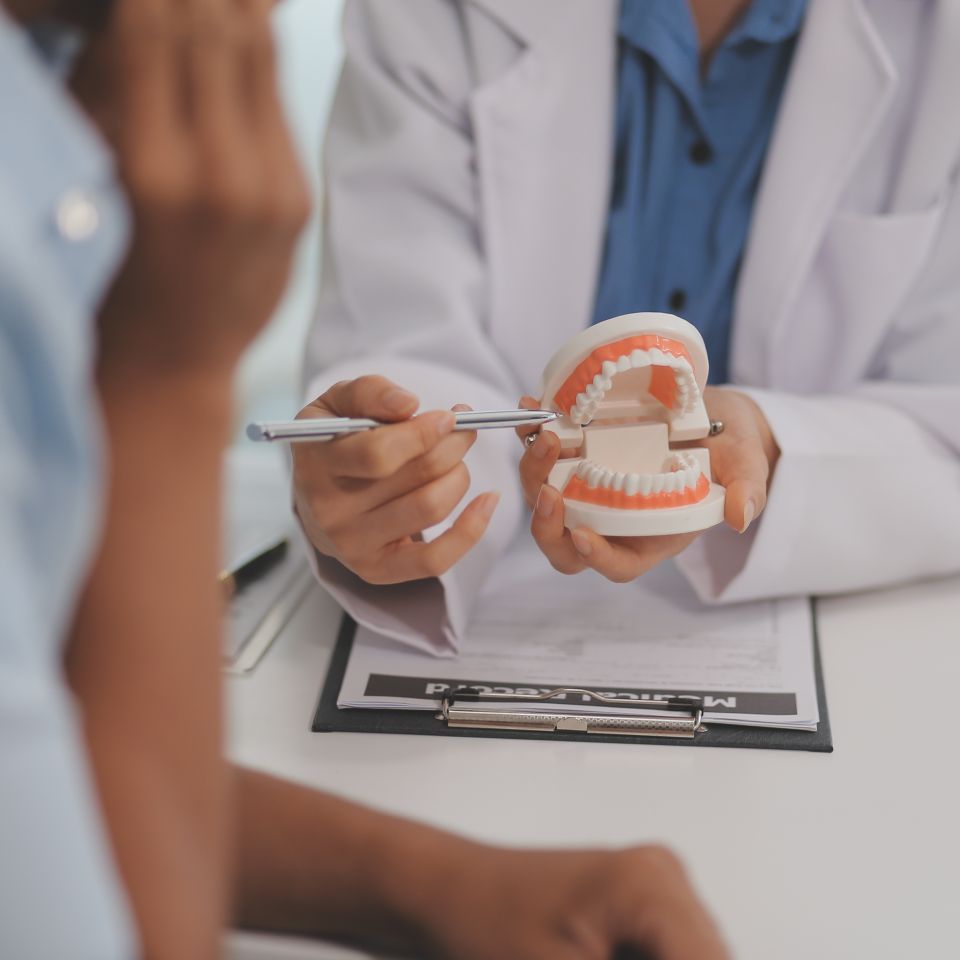
Wisdom teeth removal requires more than basic extraction skills — it demands advanced training in surgical technique, anesthesia, and the management of complex impactions. Dr. Jay Patel completed a four-year oral and maxillofacial surgery residency at Womack Army Medical Center, one of the nation’s premier military training programs. His credentials include board certification through the American Board of Oral and Maxillofacial Surgeons, membership in the American Association of Oral and Maxillofacial Surgeons, and a Doctor of Dental Medicine degree from Boston University. “Wisdom teeth vary dramatically from patient to patient,” explains Dr. Patel. “Some emerge partially, others grow sideways, and many sit dangerously close to nerves. Proper training makes all the difference in achieving safe, predictable outcomes.”
Common Reasons for Wisdom Teeth Extraction
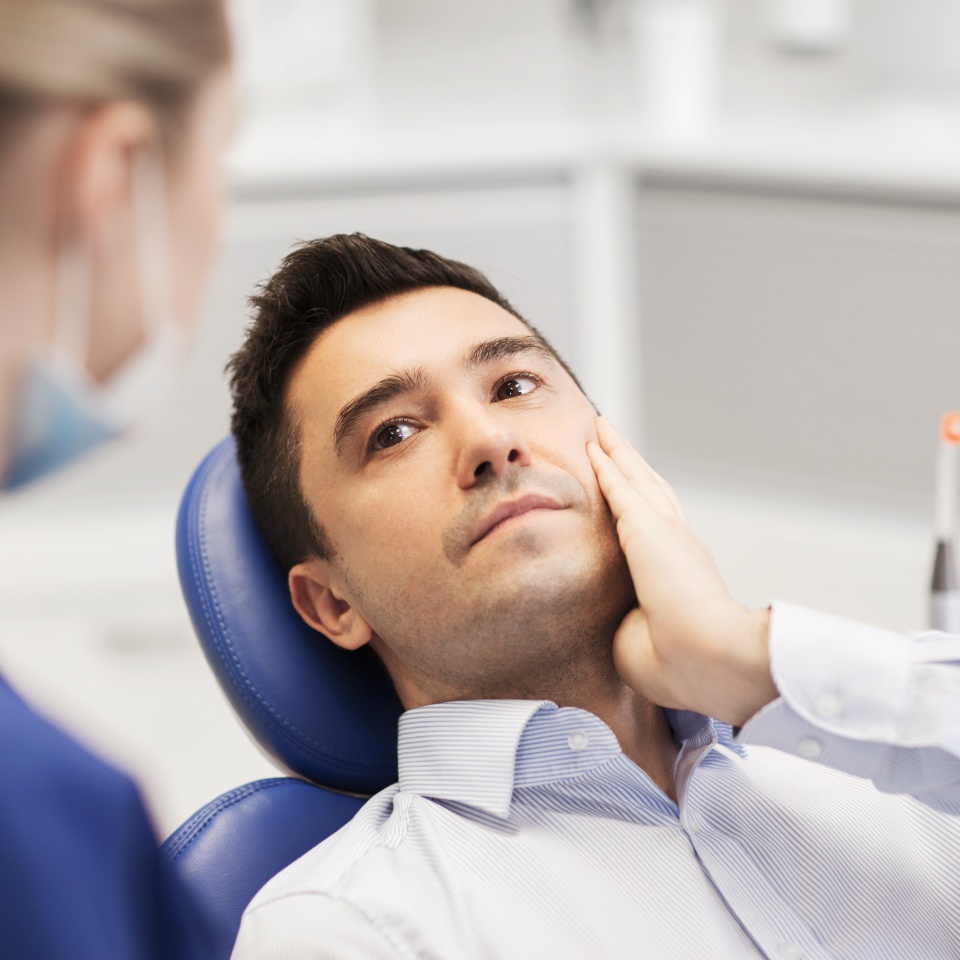
Not every wisdom tooth requires removal, but most do. Teeth that lack sufficient eruption space become impacted — trapped beneath bone and gum tissue where they create ongoing problems. Partially erupted wisdom teeth leave openings that harbor bacteria, leading to recurrent infections called pericoronitis. Impacted teeth can develop cysts that damage surrounding bone and neighboring tooth roots. Even wisdom teeth that emerge fully often prove difficult to clean, making them prone to decay and gum disease. Many orthodontists recommend extraction to prevent crowding that could undo years of braces or aligner treatment.
The Wisdom Teeth Removal Process
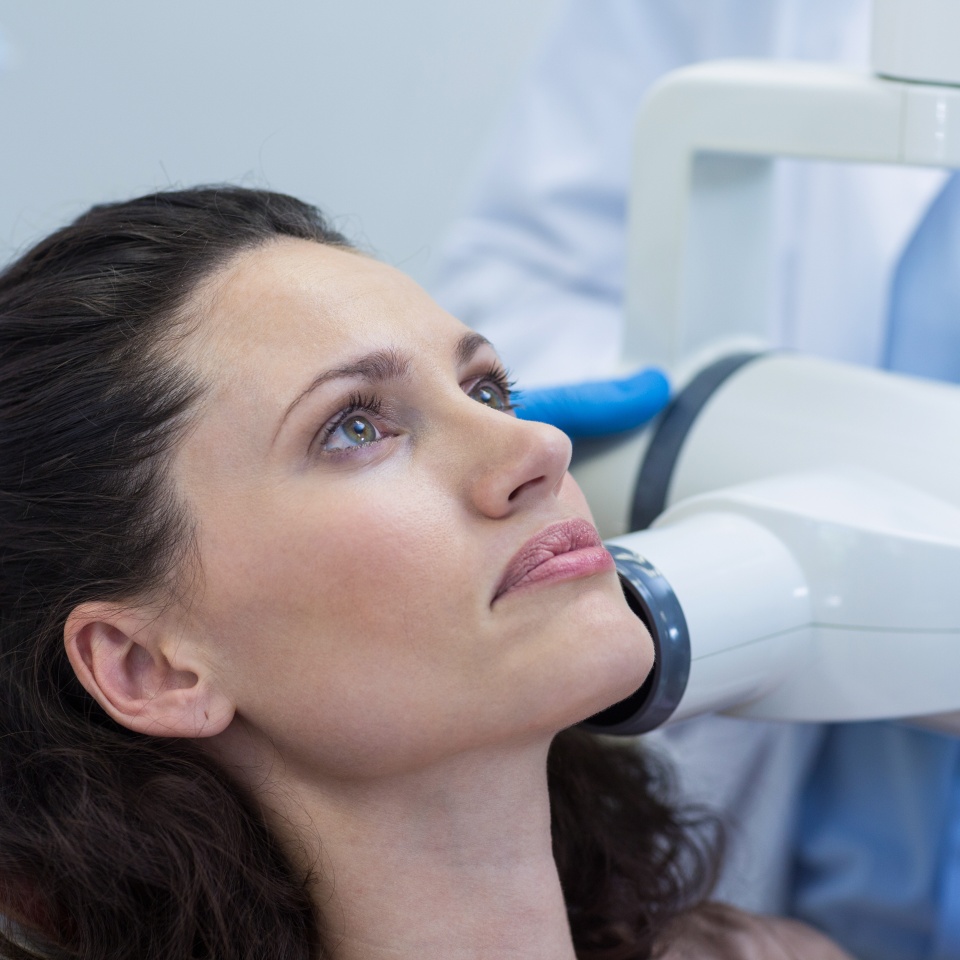
Your journey begins with a comprehensive evaluation including 3D cone beam imaging, which reveals the exact position of each wisdom tooth and its relationship to nerves, sinuses, and adjacent structures. Dr. Patel discusses findings with you, explains the recommended approach, and reviews sedation options ranging from local anesthesia to IV sedation for a sleep-like experience. On the day of surgery, the selected anesthesia ensures complete comfort while Dr. Patel removes gum tissue and bone covering each tooth, extracts the tooth — sometimes in sections for easier removal — and cleans each surgical site thoroughly. Dissolvable or removable sutures close the areas, and you receive prescriptions along with detailed recovery instructions before heading home with your designated driver.
Recovery After Wisdom Teeth Surgery
The first 24 to 48 hours involve the most swelling and discomfort, both manageable with prescribed medication, ice packs, and rest. Soft foods like yogurt, smoothies, applesauce, and mashed potatoes prevent irritation to surgical sites. Patients should avoid using straws, spitting forcefully, or smoking — actions that can dislodge the protective blood clots and cause a painful condition called dry socket. Most people return to school or work within three to five days, though complete healing of the extraction sites takes one to two weeks. Dr. Patel schedules a follow-up appointment to monitor your progress and address any concerns.
Frequently Asked Questions About Wisdom Teeth Removal
Symptoms like jaw pain, swelling, difficulty opening your mouth, or recurring infections suggest problems. However, many impacted wisdom teeth cause no symptoms initially — routine dental X-rays often reveal issues before pain develops, which is why regular checkups matter.
Yes. Most patients prefer removing all problematic wisdom teeth during a single appointment, requiring only one surgery, one recovery period, and one round of sedation. Dr. Patel evaluates your specific situation and recommends the best approach.
Options include local anesthesia (numbing only), nitrous oxide (laughing gas), oral conscious sedation, and IV sedation. IV sedation is popular for wisdom teeth surgery because it produces a comfortable, sleep-like state with little to no memory of the procedure.
Costs depend on the number of teeth removed, complexity of impaction, and sedation method chosen. Our team provides transparent estimates during your consultation, and we accept most major PPO insurance plans plus offer financing through CareCredit, Sunbit, and Cherry.
Stick to soft, cool foods for the first several days — think smoothies, yogurt, pudding, scrambled eggs, and lukewarm soup. Gradually reintroduce normal foods as comfort allows, avoiding anything crunchy, chewy, or likely to leave particles in the surgical sites.
Avoid strenuous activity for at least three to five days, as elevated heart rate and blood pressure can increase bleeding and swelling. Light walking is fine after the first day, but hold off on running, weightlifting, and intense workouts until Dr. Patel clears you.

Trusted Wisdom Teeth Removal in Buford
Having a board-certified oral surgeon at your neighborhood dental practice means expert care without traveling across Gwinnett County to an unfamiliar specialty office. Dr. Patel works alongside our general dentistry team to ensure seamless coordination from your initial evaluation through complete recovery. Buford Family Dental offers advanced imaging technology, multiple sedation options, and a welcoming environment designed to put anxious patients at ease.
Contact Buford Family Dental at (678) 730-2005 or schedule online to book your wisdom teeth consultation. Early evaluation prevents complications and keeps your smile healthy.